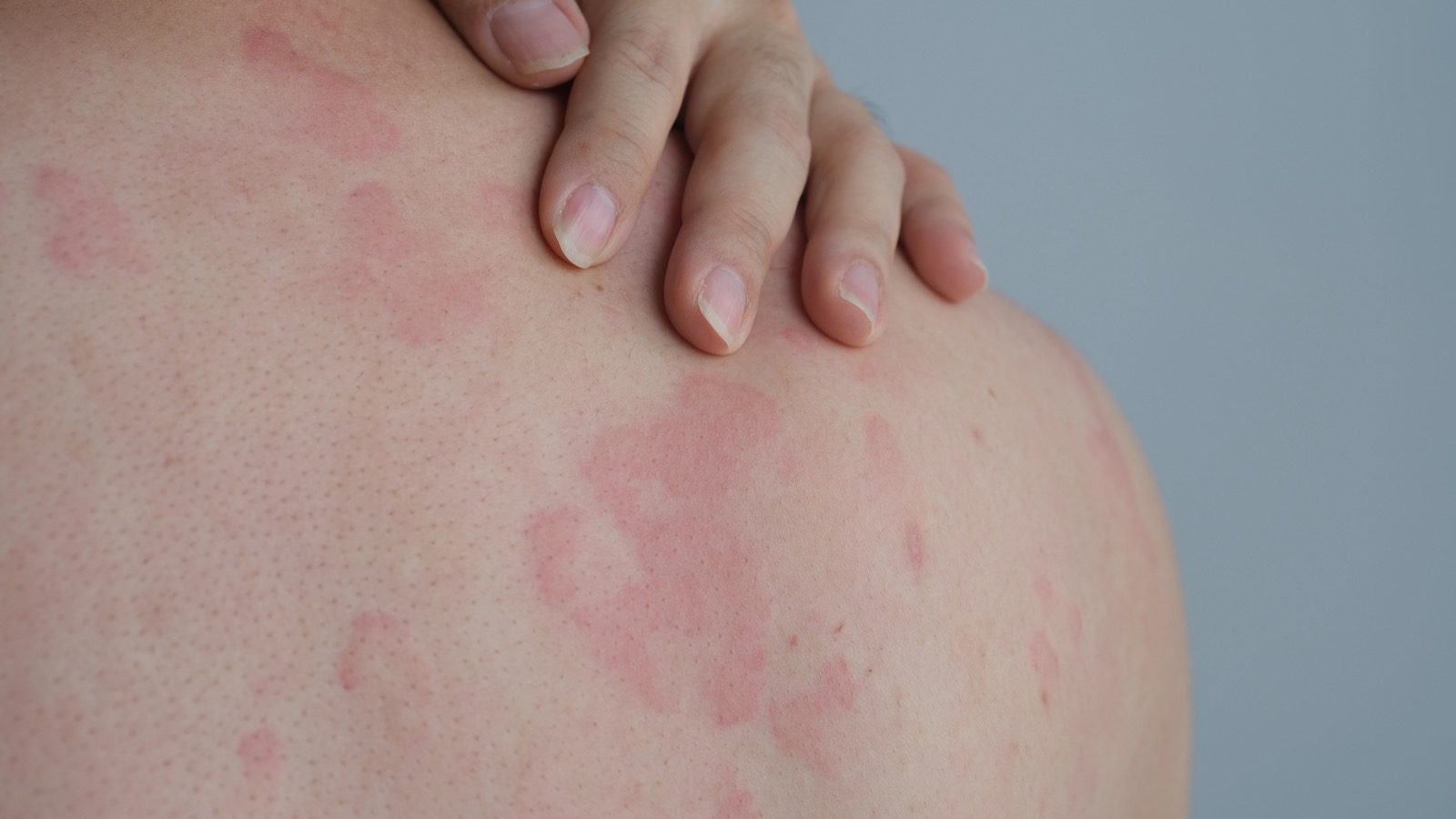
Most mild skin rashes calm down with simple, gentle care.
Several natural remedies (colloidal oatmeal, cool compresses, plain moisturizers and aloe) have real evidence behind them. Others are popular but riskier than they look.
A rash is your skin's way of signaling irritation: redness, bumps, itching, scaling or burning. Many people would rather start with something from the kitchen or garden than a steroid cream, and for mild, short-lived rashes that is often reasonable.
This guide covers what tends to help, what to be careful with, and when a rash needs a doctor instead of a home remedy.
Know Your Rash First
The right remedy depends on the cause, so it helps to have a rough idea of what you're dealing with.
- Contact dermatitis: A red, itchy patch where the skin touched something. Common triggers: soaps, fragrance, nickel, poison ivy.
- Eczema (atopic dermatitis): Dry, itchy, scaly patches, often in skin folds. Common triggers: dry air, stress, allergens, harsh cleansers.
- Heat rash: Tiny red bumps or a prickly feeling. Common triggers: sweat trapped under clothing in hot weather.
- Hives: Raised, itchy welts that move around. Common triggers: foods, medicines, insect stings, infections.
- Diaper rash: Red, irritated skin in the diaper area. Common triggers: moisture, friction, stool contact.
If you can identify and avoid the trigger, that one step often does more than any remedy.
Remedies With the Strongest Support
Colloidal Oatmeal Finely ground oats calm itching and help the skin hold moisture. Colloidal oatmeal is recognized by the FDA as a skin protectant and is common in eczema products. How to use: Stir a packet or a cup of very finely ground plain oats into a lukewarm bath and soak for 10–15 minutes, then pat dry.
Cool Compresses A clean cloth soaked in cool water, held on the rash for 5–10 minutes, eases itching and heat. It is simple, cheap and safe for almost any rash. Avoid putting ice directly on the skin.
Plain Moisturizers and Coconut Oil Dry, cracked skin itches more and lets irritants in. A thick, fragrance-free cream or ointment (petroleum jelly counts) applied right after bathing helps repair the barrier. Virgin coconut oil has shown benefit for mild eczema in small studies and has some antibacterial activity. Skip it if you're allergic to coconut.
Aloe Vera Aloe gel cools and soothes, especially for heat rash and mild sunburn. Use pure gel without added alcohol or fragrance, and test a small spot first, since some people react to it.
Diet Is the Foundation
Dr. Hogg has seen it again and again, case after case: avoiding food intolerances is the best remedy for skin rashes and the best way to prevent them coming back.
Have your Carroll Method food intolerances checked. Learn more about this food intolerance method.
Other Gentle Options
These have less research behind them but a long record of traditional use and are generally gentle.
- Chamomile: Cooled chamomile tea used as a compress may calm mild irritation. People allergic to ragweed or daisies can react to it.
- Calendula: Creams made from marigold flowers are popular for diaper rash and minor irritation. Choose a product made for skin rather than a homemade infusion.
- Baking soda: A few tablespoons in a lukewarm bath can relieve itching from hives or bug bites. Don't make a thick paste for broken skin, and limit soaks to about 15 minutes.
- Sunflower seed oil: Rich in linoleic acid, it may support the skin barrier in eczema. Olive oil is not a good swap, as it can weaken the barrier.
- Witch hazel: Its astringent action can soothe oozing or weepy spots. Choose alcohol-free versions, since alcohol dries the skin.
Use These With Caution
"Natural" doesn't mean harmless. Some popular remedies cause new rashes on top of the old one.
- Tea tree oil: It has antimicrobial properties, but undiluted oil is a well-known cause of contact dermatitis. Never apply it full-strength, and avoid it on eczema or broken skin.
- Apple cider vinegar: Its acidity can burn already irritated skin. Evidence for rashes is weak, and studies on eczema found no clear benefit.
- Essential oils in general: Lavender, peppermint, eucalyptus and others are common allergens. Keep them away from babies and young children entirely.
- Lemon juice and garlic: Both can cause chemical burns or blistering on skin, especially in sunlight.
Try This First: Always test a new product on a small patch of healthy skin for 24–48 hours before using it on a rash.
Everyday Habits That Help Skin Heal
- Bathe in lukewarm, not hot, water and keep showers short.
- Use a mild, fragrance-free cleanser, and pat skin dry instead of rubbing.
- Moisturize within a few minutes of bathing to lock in water.
- Wear loose, breathable cotton and wash new clothes before wearing them.
- Switch to fragrance-free laundry detergent and skip fabric softener sheets.
- Keep nails short and try not to scratch; a cool compress works better.
- Stay cool and dry in hot weather to prevent heat rash.
- Note what you ate, touched or used before a flare to spot patterns.
When to See a Doctor
Home remedies are for mild rashes. Get medical care if you notice any of these.
Call 911 or go to the ER right away if:
- A rash comes with swelling of the lips, tongue or throat, or trouble breathing
- A rash spreads quickly with fever, or looks like small purple or red dots that don't fade when pressed
- Skin blisters or peels over a large area, especially after starting a new medicine
See a doctor soon if:
- The rash lasts more than a week or two, or keeps coming back
- It becomes painful, warm, swollen, or oozes yellow fluid (signs of infection)
- It covers much of your body or appears with fever or joint pain
- It's on the face, eyes or genitals
- It affects a baby or someone with a weakened immune system
The Bottom Line
For most mild rashes, the gentlest approach works best: find and avoid the trigger, cool the skin, soak in oatmeal, and moisturize. Reach for stronger natural products carefully, test them first, and don't let a home remedy delay care for a rash that's spreading or not improving.
Important Disclaimer: This article is for general information and isn't a substitute for advice from a doctor or dermatologist.
Resources
Expert guidance
- American Academy of Dermatology, rash warning signs and signs of infection: Rash 101 in adults: when to seek medical treatment
- American Academy of Dermatology, cool compresses, oatmeal baths and fragrance-free moisturizers: Stop itchy skin in its tracks
- National Eczema Association: Top 7 natural and alternative treatments for eczema
- Cleveland Clinic, remedies worth trying and ones to skip: Home remedies for eczema
Remedy safety (NIH)
- NCCIH, evidence and safety, including allergic rash risk: Tea tree oil
- NCCIH, topical gel is generally well tolerated: Aloe vera
Research studies
- Reynertson et al., 2015, Journal of Drugs in Dermatology: Anti-inflammatory activities of colloidal oatmeal. Colloidal oat lotion improved dryness, scaling and itch.
- Evangelista et al., 2014, International Journal of Dermatology: Topical virgin coconut oil in pediatric atopic dermatitis. Virgin coconut oil outperformed mineral oil over 8 weeks in children with mild to moderate eczema.
- Danby et al., 2013, Pediatric Dermatology: Effect of olive and sunflower seed oil on the adult skin barrier. Sunflower oil preserved the barrier; olive oil damaged it.
- National Eczema Association: Apple cider vinegar may not improve skin barrier. Summary of a 2019 Pediatric Dermatology pilot study in which most participants had mild irritation.